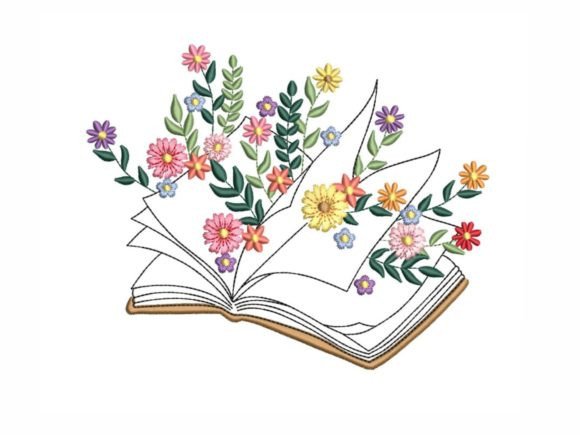
Flower Book: A Thoughtful Embroidery Design for Meaningful Gifts
First Impressions: Charm, Clarity, and Quiet Confidence
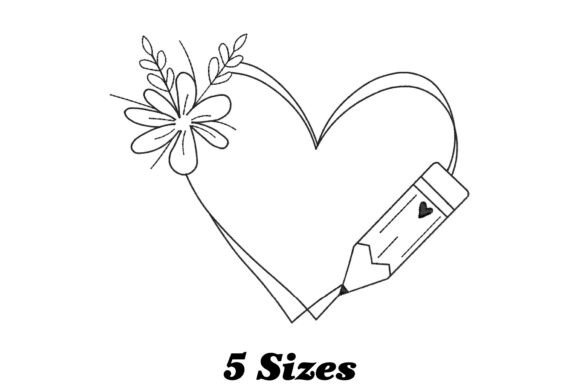
Opening the Flower Book embroidery file felt like untying a ribbon on a well-chosen gift—delicate, intentional, and full of quiet warmth. As an embroidery designer who tests hundreds of machine embroidery designs each year for my own shop and custom clients, I immediately noticed its balanced composition: soft botanical outlines cradling open book shapes, with subtle stem curves and gentle petal layering. It’s not fussy or overly detailed—it leans into elegance without sacrificing stitchability. The mood is romantic but grounded, classic yet fresh—ideal for customers seeking timeless handmade products over trend-driven flash. It feels inherently personal, like something you’d stitch for a loved one’s nursery, wedding day, or first library card.
Where Flower Book Truly Shines: Real Gift Applications
This isn’t just another floral motif—it’s a storytelling device. For baby embroidery, Flower Book transforms onesies, swaddle blankets, and burp cloths into heirloom keepsakes. Pair it with a child’s name in a clean sans-serif script beside the design, and you’ve elevated a simple blanket into a cherished family artifact. As a wedding gift, it’s unexpectedly poetic: imagine it stitched onto linen napkins, cotton pillow covers, or even a custom apron for the couple who cooks together—evoking shared stories, growth, and quiet moments. I’ve already sketched mockups for a “First Chapter” kitchen towel set (with matching embroidered tea towels), and it reads beautifully at 3.5" wide.
For Etsy sellers and small shop owners, Flower Book bridges niche and broad appeal. Book lovers instantly recognize its charm—but so do parents, teachers, librarians, and gardeners. It works equally well on structured tote bags (for school or weekend markets), cushion covers for cozy reading nooks, and delicate bookmarks for indie bookshops. Because it’s rooted in literacy and nature—not seasonal clichés—it stays relevant year-round, making it a smart inventory choice for craft fairs and holiday prep.
Smart Placement Matters: Know When—and Where—to Stitch
Like any thoughtful embroidery file, Flower Book rewards intentionality. Its graceful lines shine brightest on stable, medium-weight fabrics: cotton twill for totes, linen-cotton blends for pillow covers, and tightly woven terrycloth for embroidered towels. Avoid using it on highly textured fabric (like bouclé or thick terry loops) without testing—fine stem details can disappear. Similarly, stretchy baby clothes require extra care: always use cutaway stabilizer and reduce stitch density if your machine allows, or opt for a simplified version of the design if available.
Small lettering? Not built for sub-¼" text—stick to names or short phrases above or below the main motif, not within the book’s spine. Curved surfaces (like mugs or curved pillow edges) demand careful hooping; I recommend digitized versions with reduced underlay for those applications. On dark fabric, contrast is key: test thread colors thoroughly—soft sage greens and warm creams read beautifully against navy or charcoal, while pale yellows may vanish. And because many buyers choose these as personalized gifts for frequent use (think kitchen towels or baby blankets), confirm the design’s stitch density supports durability through repeated washing.
Why Customers Trust—and Love—This Kind of Handmade Product
Flower Book doesn’t just look handmade—it *feels* meaningful. That emotional resonance directly boosts giftability. When a customer sees this design on your Etsy listing or local shop shelf, they don’t just see embroidery—they see care, literacy, tenderness, and continuity. That perception lifts perceived value: a $28 pillow cover becomes a $42 keepsake. In product photography, it performs exceptionally well—clean lines hold up in natural light, and the botanical-book fusion invites storytelling captions (“For the little reader growing roots”). Engagement rises when buyers imagine gifting it: “My sister just adopted a baby—this would be perfect for her nursery!” That kind of connection is gold for handmade sellers.
Practical Notes Every Embroiderer Should Check Before Stitching
Before adding Flower Book to your next batch of custom orders, run these checks:
- Test on scrap fabric—especially if stitching on new material like bamboo blend or performance linen.
- Confirm hoop size—some versions may require a 5x7" hoop minimum; verify before prepping large runs.
- Review stitch density—dense fills can pucker lightweight fabrics; adjust tension or stabilizer if needed.
- Use proper stabilizer: tear-away for stable wovens, cutaway for knits or high-wear items like towels.
- Compare light/dark fabric mockups—a printable mockup helps visualize thread color impact before stitching.
- Check small details after stitching—petals and stem tips should lie flat; re-hoop and re-stitch if threads lift.
- Confirm commercial licensing—since this is intended for personalized gift products, ensure your license permits finished product sales (standard for most reputable School/Embroidery designers, but always verify).
A Design That Grows With Your Business
What makes Flower Book especially valuable for small business owners is its versatility across categories: baby embroidery, wedding gift, nursery decor, custom tote bag, embroidered towel—you name it. It fits seamlessly into collections for teachers, librarians, moms, and newlyweds alike. And because it’s designed with real-world stitching in mind—not just visual appeal—it reduces rework, builds consistency, and strengthens your reputation for quality handmade products.
If you’re curating digital embroidery files for resale, stocking your Etsy shop with ready-to-ship personalized gifts, or building custom order menus for local clients, Flower Book earns its place—not as filler, but as a quiet anchor. It reminds us that the best machine embroidery designs don’t shout. They invite. They connect. And sometimes, they hold a whole story inside a single, softly stitched bloom and open page.