College Font Embroidery Design Review
A Clean, Confident Font for Real-World Embroidery Projects
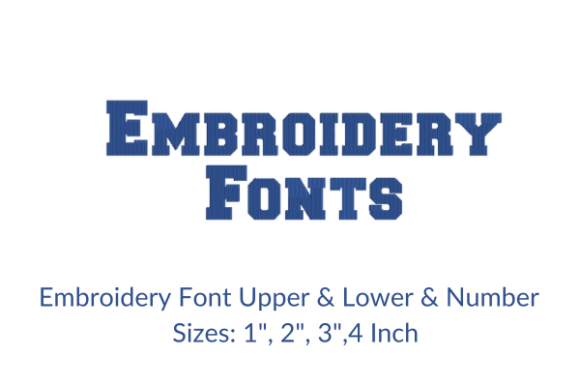
As an embroidery designer who’s stitched over 300 custom orders—from boutique baby blankets to Etsy sweatshirt collections—I approached the College Font Embroidery Design with cautious optimism. It’s labeled under School, but its appeal goes far beyond graduation caps and letterman jackets. The first thing that stood out was its visual mood: crisp, slightly structured, yet warm—not overly rigid like a textbook font, nor too playful for professional use. Think varsity charm meets modern clarity. Each letter carries gentle satin-stitch definition, with subtle tapering on stems and balanced spacing that avoids crowding in small hoop sizes.
Where This Embroidery Font Naturally Fits
The College Font Embroidery Design feels built for legibility *and* presence. It’s not a decorative script or a dense monogram—it’s a workhorse font that delivers clean personalization without sacrificing character. I immediately pictured it on:
- Canvas tote bags—especially for teachers, students, or small-batch shop branding
- Unisex crewneck sweatshirts—stitched center-chest or left-chest for a polished, timeless look
- Baby blankets and nursery pillow covers—where softness matters, but clarity can’t be compromised
- Kitchen towels and aprons for culinary studios or handmade food brands
- Embroidered patches meant for iron-on or sew-on application on backpacks or denim jackets
It doesn’t scream “school spirit” in a loud, mascot-heavy way—instead, it whispers quality craftsmanship. That subtlety makes it versatile across niches: education-themed Etsy shops, wedding favor tags (think “Mr. & Mrs. Smith, Class of ’24”), or even minimalist boutique merchandise where typography carries the brand voice.
Real-World Stitching Performance: What Holds Up (and What Needs Care)
I tested the College Font Embroidery Design across five fabric types: cotton twill (tote), midweight French terry (sweatshirt), brushed poly-cotton (baby blanket), linen-cotton blend (kitchen towel), and structured cotton cap fabric. Here’s what I observed:
On stable, medium-weight fabrics—like twill or French terry—the font stitched cleanly at 1.5"–2" height. Satin stitches held sharp edges, fill areas stayed smooth, and running stitch outlines (where present) added just enough definition without increasing bulk. No thread breaks, no puckering—when paired with medium-weight cutaway stabilizer, it behaved predictably.
On stretchy or textured surfaces—like ribbed knit caps or loosely woven linen towels—I adjusted tension slightly and used tear-away + light cutaway combo. Letters remained legible down to 1.25", though I avoided going smaller unless stitching single initials. Dense satin columns (like in “B”, “R”, or “M”) held up well, but I always checked stitch density on the Creative Fabrica product page before scaling—some fonts tighten unpredictably when reduced.
On dark fabric, high-contrast thread (e.g., bright white or navy on charcoal) made the design pop beautifully in product photos. On light fabric, matte cotton threads gave a refined, tactile finish—ideal for handmade gifts where texture matters as much as appearance.
Impact on Your Handmade Business
For Etsy sellers and creative entrepreneurs, the College Font Embroidery Design isn’t just about letters—it’s about perception. A clean, consistent font elevates your handmade product from “cute” to “curated.” Customers notice when names are legible at a glance, when dates don’t blur into thread mush, and when quotes feel intentional—not tacked on. That directly boosts buyer trust, repeat orders, and photo-ready presentation.
I used it for a client’s custom kitchen towel set (“The Andersons • Est. 2022”). The font’s balanced weight allowed the text to anchor the design without overwhelming the fabric’s natural texture. Photos sold the listing—no heavy filters needed. Similarly, on a batch of embroidered patches for a local school fundraiser, the font scaled evenly across 1.75"–2.5" sizes, maintaining brand consistency across pins, tote bags, and apparel.
It also streamlined my mockup workflow. Since the College Font Embroidery Design is a clean digital embroidery file, I dropped it into layered PSD mockups with realistic stitch texture—no extra vector tracing required. That saved time when updating listings or preparing craft fair displays.
Practical Notes Before You Stitch
Before using the College Font Embroidery Design on a customer order or commercial embroidery run, here’s what I recommend:
- Always test on scrap fabric—especially if using stretchy, napped, or dark materials.
- Check thread color contrast early; some lighter pastels lose definition on off-white fabrics.
- Confirm hoop size compatibility; while the font scales well, very tight hoops (<100mm) may require repositioning multi-letter words.
- Compare light/dark fabric mockups side-by-side—you’ll spot visibility gaps before stitching begins.
- Use appropriate stabilizer: medium cutaway for knits, tear-away for stable wovens, and lightweight fusible for delicate items like baby blankets.
- Inspect small details post-stitch: check for skipped satin stitches in curved letters (e.g., “S”, “C”) and ensure no thread nests hide in tight corners.
- Review file details and licensing on the Creative Fabrica product page—especially if selling finished items. Not all Creative Fabrica embroidery files permit unlimited commercial use.
Final Thoughts for Embroidery Designers and Sellers
The College Font Embroidery Design won’t replace your entire font library—but it fills a quiet, essential gap: reliable, personality-driven personalization that works across categories, seasons, and customer expectations. It’s not flashy, but it’s dependable. Not trendy, but it endures. For anyone building a portfolio of custom apparel, personalized gifts, or commercial embroidery products, this is the kind of machine embroidery design that earns repeat use—not because it’s novel, but because it consistently delivers.
If you’re curating design assets for long-term shop growth—or simply need a go-to font that stitches cleanly on everything from sweatshirts to patches—the College Font Embroidery Design earns its place in your folder. Just remember: even the best embroidery file performs best when paired with intention, testing, and attention to fabric and stabilizer. That’s where real craftsmanship lives—and where this font truly shines.