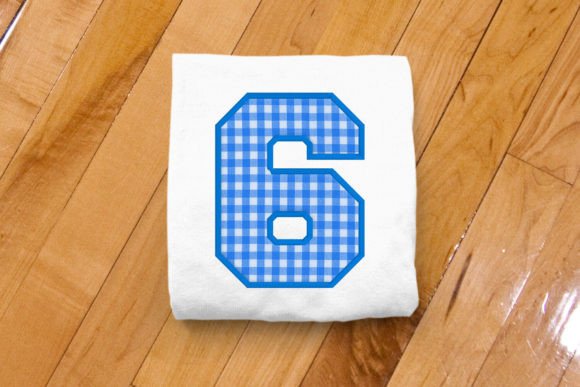
Varsity Number 6 Applique Embroidery
First Impressions: Bold, Nostalgic, and Instantly Recognizable
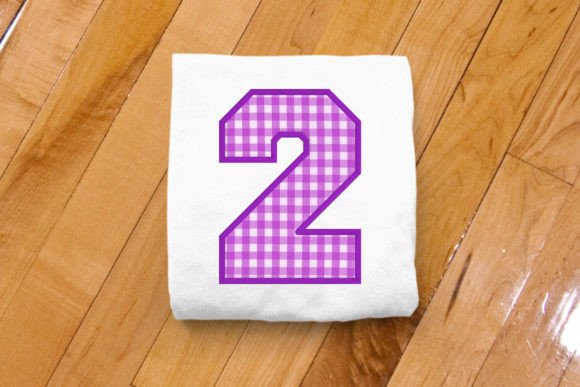
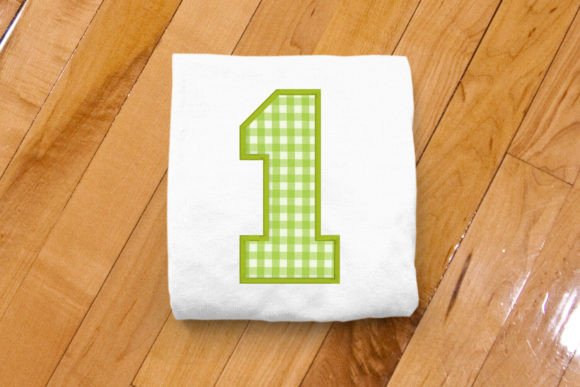
When I opened the Varsity Number 6 Applique Embroidery file, what struck me first wasn’t technical precision—it was *personality*. This isn’t a sterile digitized numeral; it’s a confident, slightly weathered, collegiate-style “6” that feels like it belongs on a letterman jacket pocket or stitched across the chest of a vintage-inspired sweatshirt. The applique construction gives it dimension right from the start—clean edges, strong satin stitch borders, and intentional negative space that lets the base fabric breathe. It reads as athletic but approachable, spirited but not loud. For a school-themed embroidery project—or really, any design rooted in personal milestone storytelling—it lands with warmth and authenticity.
A Real-World Test: Stitching It onto a Linen-Cotton Tote Bag
Last week, I used Varsity Number 6 Applique Embroidery on a custom linen-cotton tote for a high school senior’s graduation gift. I chose navy fabric with cream thread for contrast, added medium-weight cutaway stabilizer, and hooped it carefully to avoid puckering. The result? Crisp, legible, and surprisingly tactile—the applique layer gave just enough lift to catch light without looking bulky. Customers notice that subtle physicality. It signals care, not automation. This design doesn’t vanish into the background; it anchors the piece. That matters when you’re pricing handmade products or building trust with Etsy buyers who scroll past dozens of generic monograms daily.
Where It Shines—and Where It Needs Thoughtful Handling
Varsity Number 6 Applique Embroidery works beautifully on stable, medium-weight fabrics: cotton twill for patches, fleece-lined sweatshirts, canvas aprons, and structured pillow covers. It holds up well on tea towels and baby blankets—especially when paired with soft, low-lint threads. As an embroidered patch, it’s instantly recognizable at arm’s length, making it ideal for craft fair booths or boutique branding where visual clarity drives impulse buys.
But let’s be real: applique designs demand attention to context. On thin or stretchy knits—like lightweight t-shirts or baby onesies—I’d recommend testing stitch density first. Dense fill areas can stiffen delicate fabrics, and curved surfaces (think baseball caps or curved pillow seams) may require re-hooping or slight digitizing tweaks if the original file wasn’t optimized for contoured placement. Dark fabric backgrounds highlight the satin stitch beautifully—but only if your thread color has enough contrast. Always test black-and-white mockups before finalizing digital product previews.
Design Nuances That Impact Customer Perception
This isn’t just about stitching a number—it’s about delivering a feeling. The Varsity Number 6 Applique Embroidery carries implied narrative: achievement, team spirit, legacy, growth. That emotional resonance lifts perceived value. A personalized gift with this design feels intentional—not just “embroidered,” but *curated*. For small shop owners, that translates directly to repeat customers and word-of-mouth referrals. For Etsy sellers, it strengthens listing cohesion when paired with complementary school-themed embroidery files or printable mockups.
Visually, its balanced proportions prevent awkward cropping in standard hoop sizes. It avoids overly tight corners or micro-details that fray after washing—critical for baby embroidery or holiday embroidery meant to last years. And because it’s built as an applique design, it scales well: smaller versions retain legibility on toddler hats; larger renditions hold impact on oversized sweatshirt backs.
Practical Designer Notes You’ll Actually Use
- Always test on scrap fabric first—especially if combining with other machine embroidery design elements or using textured fabrics like terry cloth or bouclé.
- Review stitch density before running full production. High-density fills look rich but add stiffness; lower-density options may suit baby items or lightweight apparel better.
- Confirm hoop size compatibility. While the design fits comfortably in common 4x4 and 5x7 hoops, double-check before batching orders for custom apparel or commercial embroidery jobs.
- Inspect small details under magnification: are satin stitch edges smooth? Do corners lock cleanly? These details affect long-term durability and buyer confidence.
- Use proper stabilizer—cutaway for stretchy or unstable fabrics, tear-away for stable wovens. Skipping this step undermines even the best embroidery file.
- Check licensing terms before selling finished products or bundling Varsity Number 6 Applique Embroidery with other digital embroidery files. Commercial use rights aren’t automatic—even for school-themed designs.
Final Thought: More Than a Number—It’s a Story Starter
I’ve used dozens of number-based embroidery files over the years—some crisp, some forgettable, some technically flawless but emotionally flat. Varsity Number 6 Applique Embroidery stands out because it balances craft and character. It performs reliably across tote bag design, sweatshirt embroidery, and personalized gifts—but more importantly, it invites connection. A parent sees it on a nursery pillow and thinks, “That’s *our* year.” A coach sees it on a team apron and feels pride. A grad sees it on a cap and remembers effort, growth, belonging.
For craft business owners, that kind of resonance is gold. It turns a simple embroidered patch into a conversation piece, a digital embroidery file into a trusted design asset, and a handmade product into something people want to keep—and show off. Just remember: respect the fabric, honor the stitch, and always test before you commit. Because when Varsity Number 6 Applique Embroidery lands right, it doesn’t just say “6”—it says “this matters.”